Abstract digital artwork showing distorted text with words like “create,” “harmonize,” and “disrupt” – symbolising the conflicting forces at play in peace influencing and digital communication.
Digital Peacebuilding

Rethinking Influence in the Age of Algorithmic Warfare

In today’s landscape of information warfare, where war influencing has become a prevalent force, using digital communication to divide, manipulate, and destabilise; peace influencing could serve as a vital counterstrategy. This article explores digital peace through the lens of peace journalism and media theory, tracing how narratives shape conflict and cohesion alike. It examines the historical role of media in war, the transformation brought by social platforms, and how strategic communication is now being reclaimed to foster dialogue, empathy, and democratic resilience. From global grassroots efforts to evolving norms in digital communication, it argues that influencing for peace is no longer idealistic, but necessary.


TEST123
No Comments Read More
Blurred human face partially obscured by strands of glowing lights, symbolising cognitive overload, digital entanglement, and the loss of mental clarity in the age of algorithmic influence.
Tech & Democracy

The Hidden Democratic Cost of Cognitive Offloading 

We increasingly let machines think for us, not just in everyday choices, but in how we navigate reality itself. Cognitive offloading describes this process of delegating mental tasks to external systems. What begins as a tool for convenience can quietly erode our ability to notice, remember, and decide for ourselves. As artificial intelligence mediates how we access information, make decisions, and even perceive the world, this quiet handover of our cognitive autonomy is not only convenient, but becoming dangerous. This article explores how cognitive offloading undermines our ability to think critically, and why that erosion poses a structural threat to our democracies.

TEST123
No Comments Read More
Person holding up a rectangular mirror that replaces their face, reflecting only blue distortion. The background shows a metallic shutter in digital blue tones. A metaphor for emotional loss of self in the age of social media.
Information and Cognitive Warfare

Why Emotional Intelligence is a Democratic Skill

In an age where outrage is monetised and emotional manipulation is engineered at scale, emotional intelligence is no longer a wellness trend, but becoming a democratic necessity. This article explores why individual emotional resilience should be recognised as a key pillar of democratic resilience in the 21st century and how developing it could be the most overlooked defence against digital polarisation and political manipulation.

TEST123
No Comments Read More
A black-and-white photo of a lamppost covered in worn stickers, one of which reads “BIG DATA IS WATCHING YOU.” The blurred city lights in the background create a dystopian feel, underscoring the urgent need to reclaim digital sovereignty.
Platforms & Power

We Need to Talk About Data Again.

Data is the defining resource of the 21st century, but the question of who owns, controls, and benefits from it has become strangely opaque. This article revisits the idea of digital sovereignty in light of three technological frontiers: the Internet of Things, Brain-Computer Interfaces, AI and its acceleration through quantum computing. It traces how regulatory retreat and public disengagement have opened the door to unprecedented forms of data extraction, including from the human brain itself. The fight for data rights may well be the defining democratic struggle of our digital future. This article calls for a renewed public conversation about data as the foundation of democratic self-determination.

TEST123
No Comments Read More
Close up of a quantum computer
Geopolitical Impact of New Technology

How Quantum Computing will affect Global Security

Quantum computing is no longer science fiction. As new processors reach milestones in error reduction and qubit counts, they raise urgent questions about digital sovereignty, cybersecurity, and global inequality. This article explores how quantum technologies might reshape international security frameworks and asks whether their development will serve the public interest or reinforce existing power asymmetries.

TEST123
2 Comments Read More
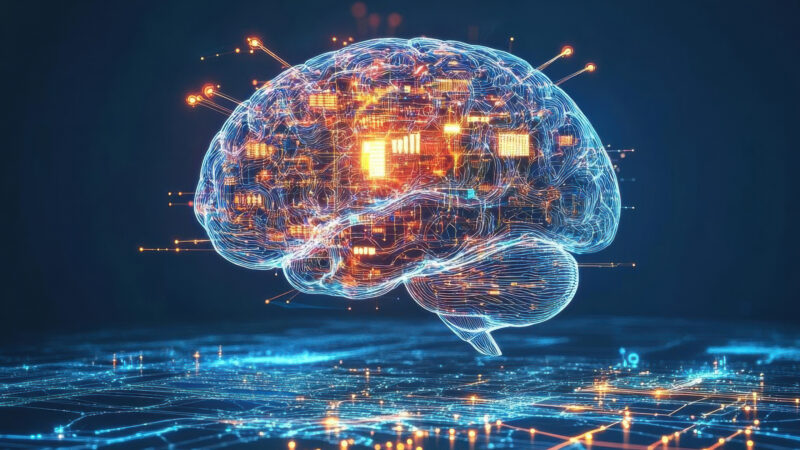
Digital illustration of a Brain-Computer Interface, showing a glowing human brain connected to data networks, symbolizing neural data transfer and cognitive technology.
Neurotechnology

Would you trust Elon Musk with your brain data?

While Neuralink is already in human trials, regulation is lagging behind. As Big Tech discovers the worth of neural data, the same extractive models that captured our digital lives now threaten our most intimate data: our thoughts. What are the consequences of our thoughts becoming public?

TEST123
2 Comments Read More
Magnifying glass highlighting a digital stock chart, symbolising the scrutiny of AI investment trends in 2025. The image reflects the tension between economic optimisation and the promises of AI for Good, set against a backdrop of glowing data and financial analytics.
Ethical AI

#AIForGood — or just Good For the Economy?

From healthcare to peacebuilding, AI holds real promise for the public good. But in 2025, the data paints a different picture: while economic applications are rapidly scaled and funded, socially driven AI remains limited in scope, often sidelined or under-resourced. This article takes a closer look at where AI is actually being deployed, and what that reveals about our collective priorities, power structures, and the kind of future we’re building.

TEST123
No Comments Read More