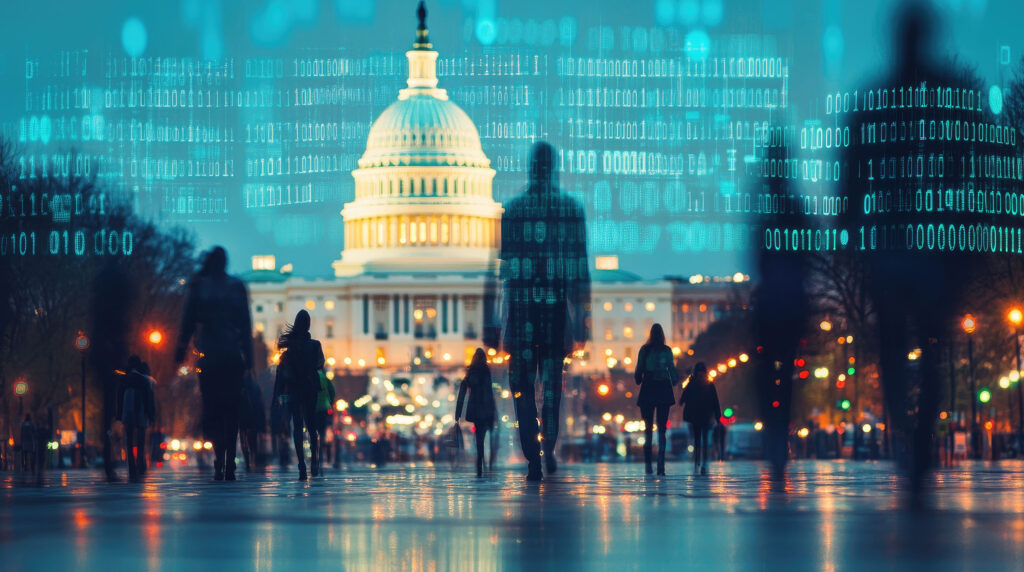
Democratic systems worldwide are not just underperforming — they are structurally failing. But humanities millennia standing ability to reinvent social organization and digital participation experiments across the globe provide hope that we may be able to further evolve our democratic operation systems.
AI is rapidly reshaping education with promises of personalized learning and efficiency, but serious risks around data privacy, algorithmic bias, and inequality remain. Educators and policymakers must resist treating these tools as neutral solutions and instead ask who truly benefits — and at what cost.
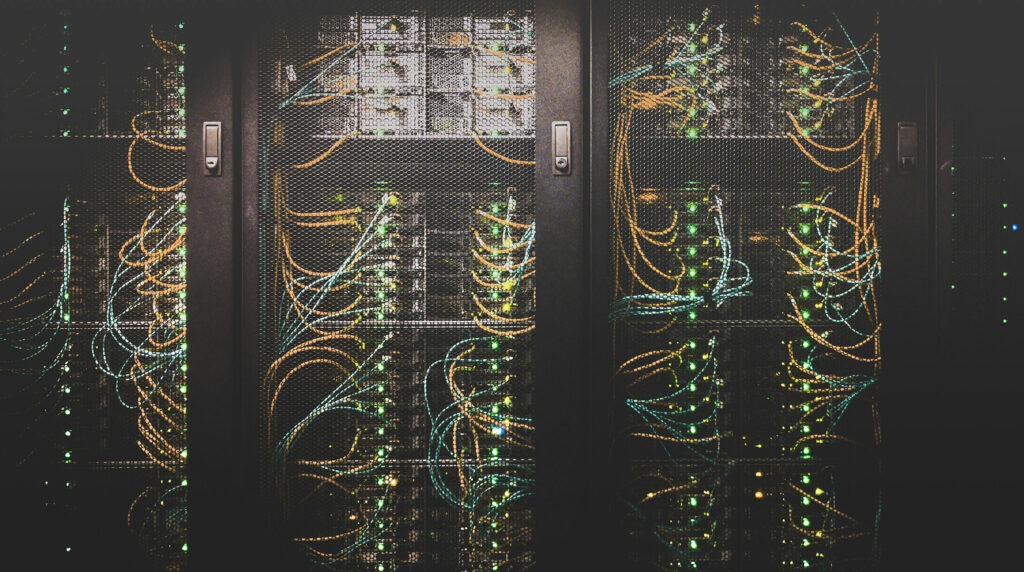
Data centers are being built as a key infrastructure for AI, with considerable impacts on the environment and communities. But a growing number of grassroots organizations is challenging tech giants across the globe.
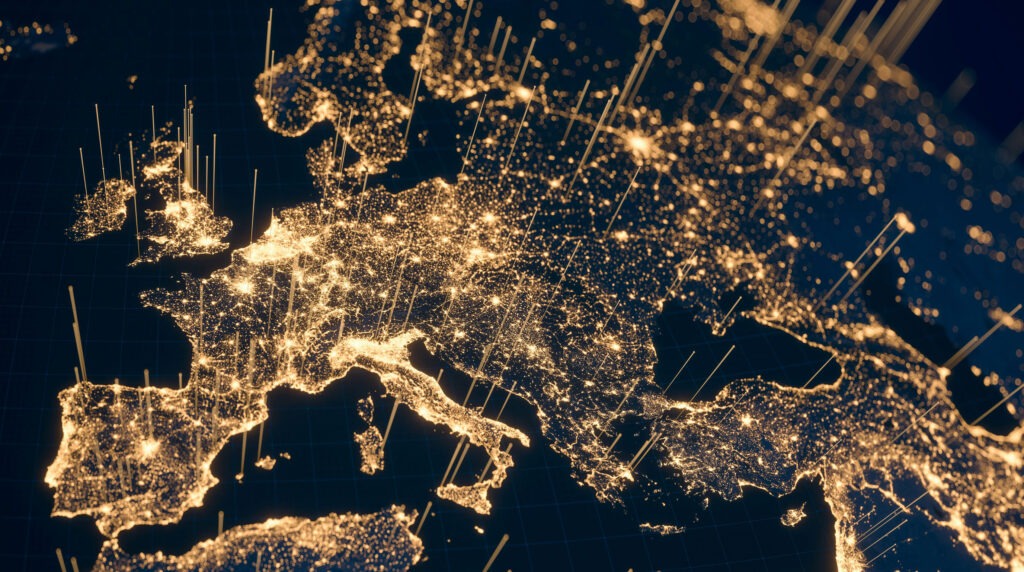
Europe has invested billions in military defense, yet the informational dimension of conflict remains structurally underdeveloped. This article examines why information warfare in Europe requires more than reactive measures, and why democratic resilience must be treated as security infrastructure.
Every AI prompt, cloud upload, and streamed video relies on vast physical infrastructures most users never see. As artificial intelligence expands, so does the environmental footprint of the data centers that make it possible.
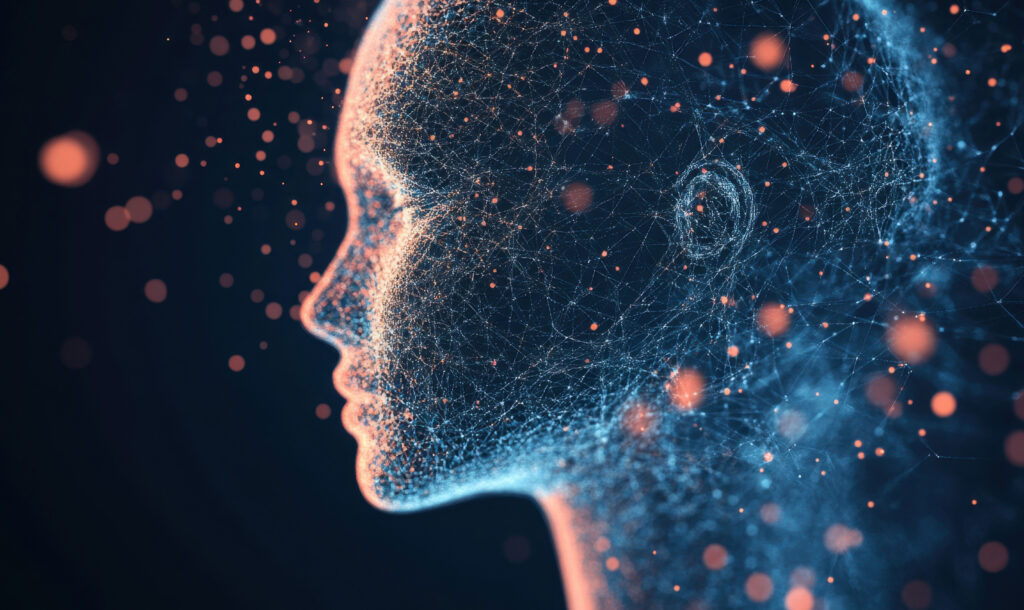
AI chatbots promise instant answers and tireless support. But beneath the convenience lies a hidden cost: the quiet erosion of our autonomy, our competence, and our capacity for genuine human connection.
The AI in translation industry is facing a 98% task-coverage threshold that is redefining the role of professional linguists. This analysis explores the shift toward automated volume, the risks of "good enough" machine output, and why human nuance remains the ultimate fail-safe.
What happens when we stop asking what AI can do for education and begin questioning what education is for in an age of accelerating technological change? At the intersection of critical pedagogy, peace education, and the metacrisis, new possibilities for learning — and unlearning — begin to emerge.
Convenience has become so normal that we no longer question what it depends on. This article explores how quick commerce trades speed for labour dignity, social connection, and sustainability.
From 'inevitable AI' to doomsday warnings, the tech industry tells powerful stories about our digital destiny. This piece reveals how these narratives influence politics, profits, and who gets to shape our collective future.

Food For Thought

Every system reaches a point where its makers lose the ability to contain it. Oppenheimer faced it in 1945. Artificial intelligence is moving toward the same line, where control slips and responsibility spreads to those forced to live with the consequences.
In 1943, a German pilot spared a shattered Allied bomber, choosing mercy where orders demanded execution. AI in warfare would not have paused. It would have scanned, confirmed, and fired, not from hatred but from code. Humans still draw fragile lines in war: a flag, a hand, a refusal. Machines do not see lines, only patterns, and once flagged as enemy, context collapses.